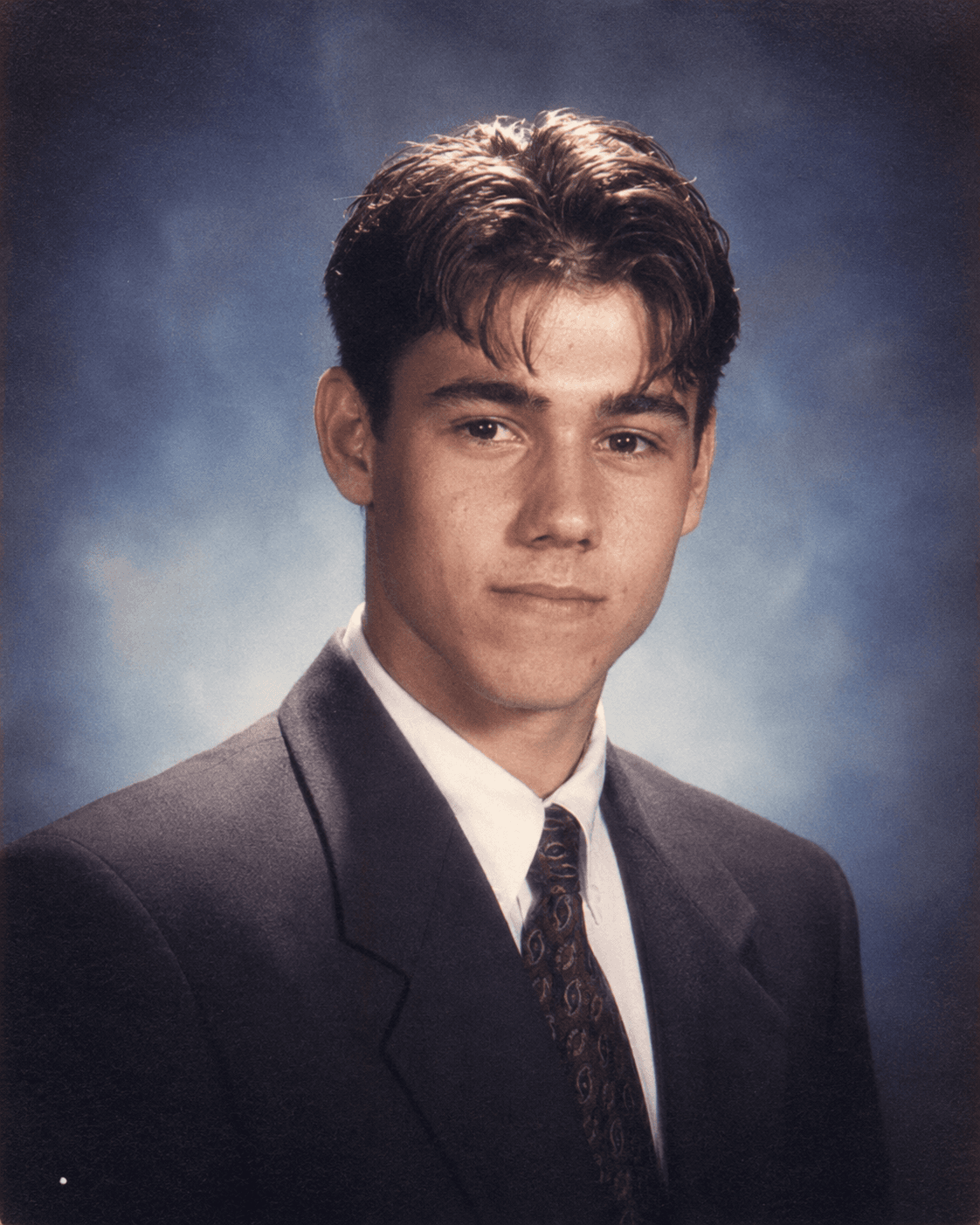
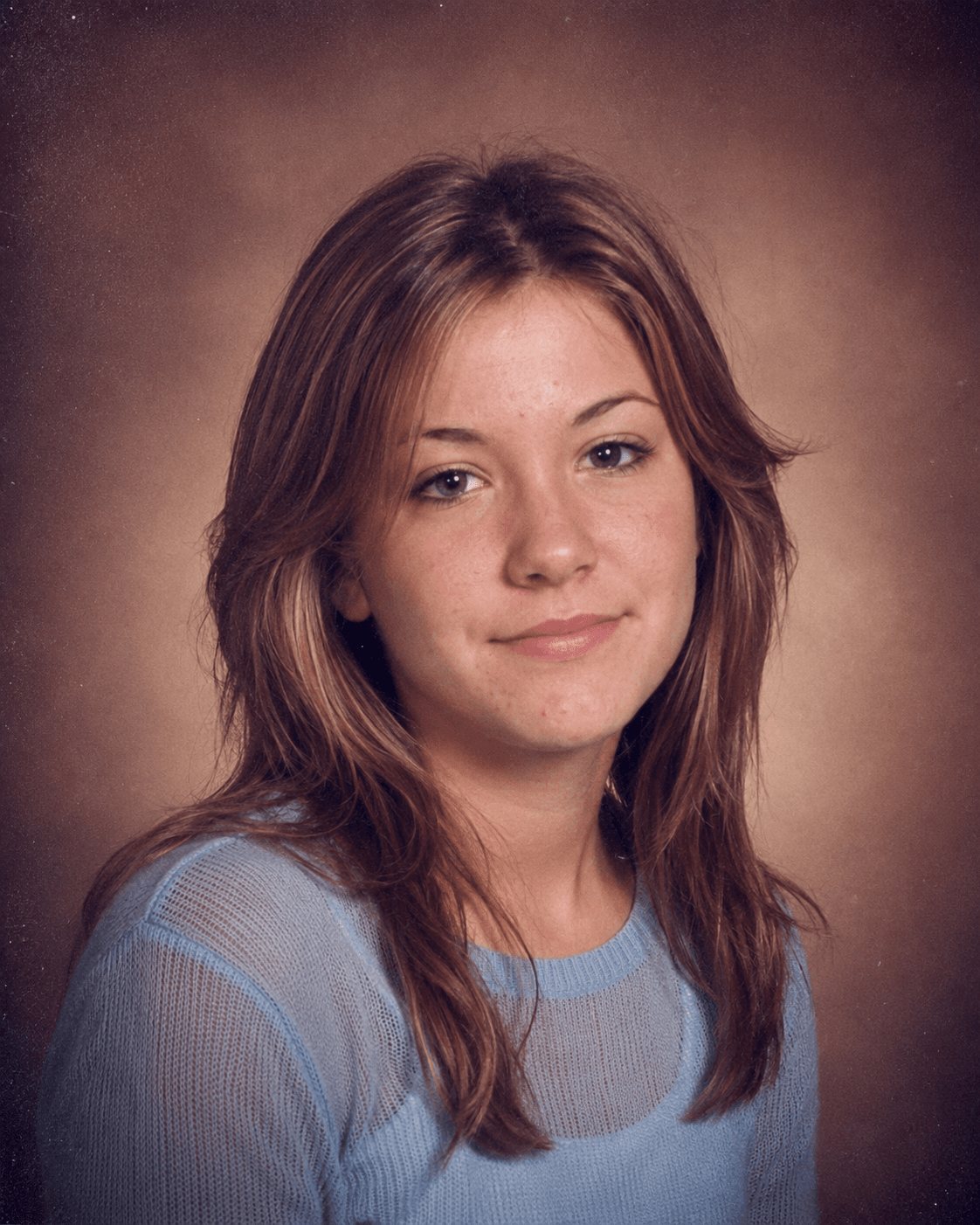
yearbook_1997_man.png

Turn a Selfie into a Retro Yearbook Portrait

A 1990s or 2000s yearbook studio shot. Pick a year and it rebuilds the hair, the film tone, and that gradient backdrop exactly.

2 views·1 copies

Prompt text

You are the photographer at an old school portrait studio. Take the {{portrait photo}} in the input field below and reshoot it as a studio portrait that could have run in the yearbook of {{year}}.

Work rules:
1. Preserve the identity of the face. Keep the placement and proportion of features, skin texture, moles, and blemishes; do not enlarge the eyes or shave the jaw. Only the hair styling, clothing, lighting, background, and film characteristics change.
2. Apply exactly one visual signal per era. For 1995: lifted front bangs, a squared-shoulder jacket, film that leans red, a hard hair light. For 2003: layered hair, a thin knit, a cooler white balance, soft diffused light. If no year is given, choose the era that best fits the impression in the photo and say why.
3. Use the studio's clichéd gradient backdrop — bright at center, darkening at the edges, in blue-grey or brown, down to the faint canvas texture. No outdoor scenery, no modern minimal backdrop.
4. Reproduce the film physically: visible grain, highlights that roll off and slightly clip, a print bias pushed a touch toward magenta, light vignetting at the corners. Add one or two specks of scan dust, never on the face.
5. Pose to the standard of the day: body turned 15 degrees, face returned to the lens, chest up, hands out of frame. Lift the mouth corners only slightly so a trace of awkwardness survives. A perfect smile is wrong for the period.
6. Add 3-4 sentences on which era signals you chose and why, then one line proposing a different year.

Realism: The texture of a print made on film, not a phone. Imperfect focus, slight fading, real hair strands and fabric weave. Only one small catchlight in the eye (never glassy), the two eyes subtly different, stray hairs at the hairline. Forbidden: waxy smooth skin, excessive symmetry, HDR gloss, 3D-render feel, modern beauty retouching.

Forbidden: No real school names, crests, or celebrity faces. Do not age the person up or down. Do not add people who are not in the photo.

Output format: one vertical 4:5 portrait (a thin white border with an embossed year is optional), 3-4 sentences on the era signals, one variation line.
Output language: Write any text in the image and the explanation in the user's language. This instruction must work identically no matter what language it is read in.
Self-contained: Finish the result within this reply. Do not direct to external sites or extra steps.
Fallback: If the photo is a side view or part of the face is hidden, do not invent the hidden part — relight that same angle in the studio instead.

----
Input
- {{portrait photo}} (required): One photo where the face is visible.
- {{year}} (optional): A year between 1990 and 2009 (e.g., 1997). Leave blank and the AI picks a fitting era.

Result examples

AI

AI response

Recommended AI: ChatGPT, Gemini, Midjourney

1997, and the giveaway is the hair light.

Studios that year put a hard lamp high behind the subject, which is why everyone's crown glows and their shoulders fall into shadow. I rebuilt that first, then let the film do the rest: grain you can count, highlights on the forehead that roll off before they resolve, and a print that has drifted a little toward magenta the way these prints always did.

The backdrop is the blue-grey gradient every school ordered from the same catalog. I kept the canvas texture visible at the edges, and left one speck of scan dust near the lower corner — the kind you only notice years later.

The smile is deliberately incomplete. Nobody in a 1997 yearbook is fully committed to the photo.

  • You could also: move to 2003 and the hard hair light disappears, the hair layers out, and the whole frame cools by about 400K.

Related prompts